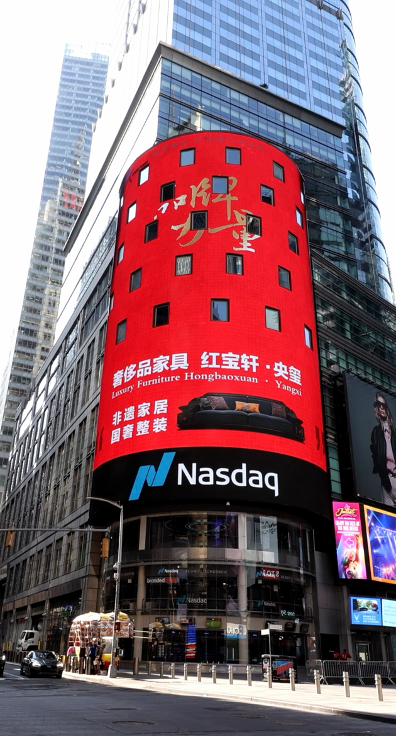
July 2026, Times Square, New York. When the thematic visuals of Hongbaoxuan · SYMBOL OF ROYALTY — "Luxury Furniture · ICH Home · National Luxury Whole-Home Solutions" — appeared on the Nasdaq screen, this commercial landmark known as the "Crossroads of the World" witnessed, for the first time, the presence of a Chinese rosewood furniture brand presented with such solemnity.
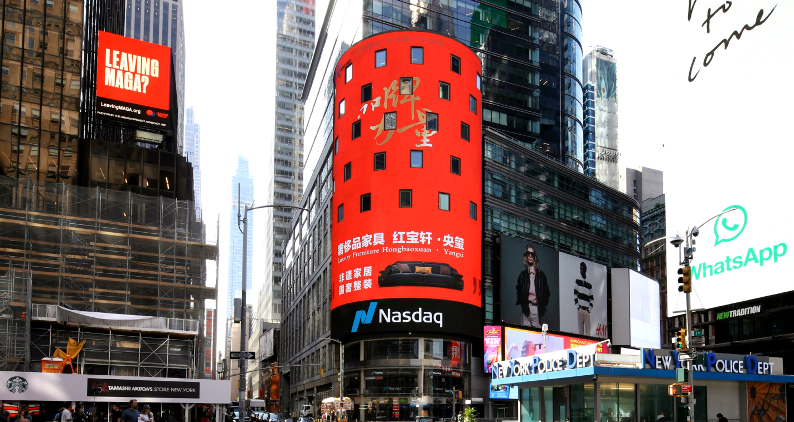
This was no ordinary brand exposure. In the past, the Chinese brands that have graced this screen have largely come from the technology, consumer electronics, or new energy sectors — their narratives centered on scale and efficiency. Hongbaoxuan · SYMBOL OF ROYALTY brings a different story altogether: one of craftsmanship, culture, and Eastern aesthetics — and an attempt to enter the global discourse of high-end home furnishings.
The Weight of a Screen, the Clash of Two Narratives
The Nasdaq screen is regarded by global brands as a premier communications platform — not only because of its prime location in the heart of Times Square and its massive daily foot traffic, but above all because of its symbolic power. For a long time, this has been the stage where Western brands made their global announcements; Chinese furniture brands have been conspicuously absent.
The appearance of Hongbaoxuan · SYMBOL OF ROYALTY is, in a sense, a response to a long-standing perceptual gap. For decades, when people spoke of luxury furniture, their minds turned first to Italian craftsmanship, French design, and Scandinavian minimalism. The presence of Chinese furniture in the international high-end market has long been relatively limited.
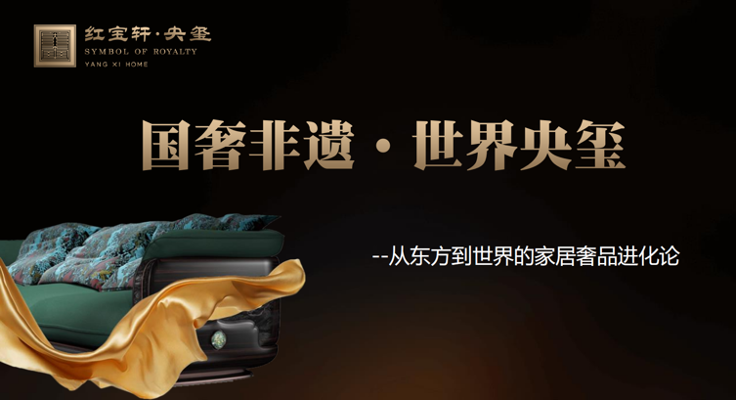
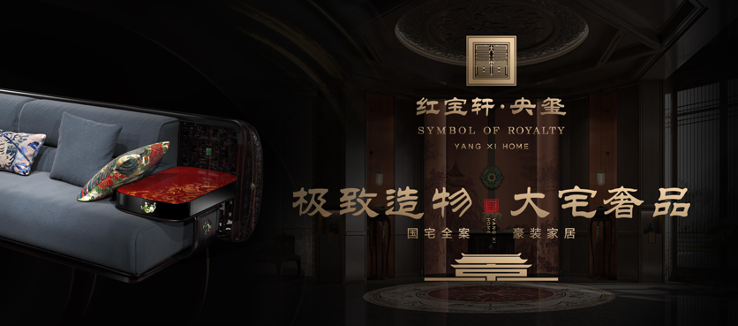
The "National Luxury 3.0" new collections showcased in the advertisement integrate multiple Chinese national-level intangible cultural heritage (ICH) techniques — including mother-of-pearl inlay, cloisonné, and lacquer — and combine them with contemporary grand-residence spatial design. This approach of introducing traditional handicrafts into modern living spaces is rarely seen in the Western high-end furniture ecosystem.
The Western approach relies more heavily on material innovation or industrial design, whereas the foundation of Hongbaoxuan · SYMBOL OF ROYALTY is a complete system of manual craftsmanship. This system, by virtue of its handcrafted nature and complex processes, defies large-scale replication — a characteristic that forms a natural barrier distinguishing it from standardized industrial products.
Three Iterations in Three Years: A Brand's Evolutionary Path
If this appearance on the Nasdaq screen marks a moment of external declaration, what underpins it is a clear brand evolution path that Hongbaoxuan · SYMBOL OF ROYALTY has charted over the past five years.
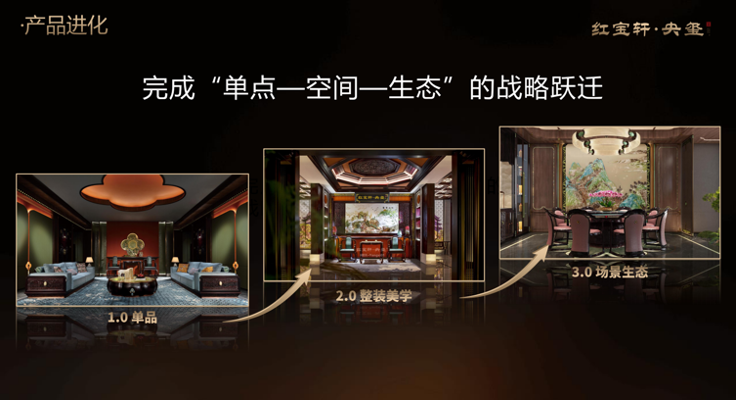
In 2021, when Hongbaoxuan first proposed the concept of "national luxury home," most of the industry was still entangled in cutthroat competition over materials and pricing. In 2023, the original brand "SYMBOL OF ROYALTY" was officially launched, and over the following three years, it completed a leap from version 1.0 to 3.0: ascending from collectible luxury pieces, to four comprehensive whole-home style systems, and ultimately to a closed-loop ecosystem of "movable furniture + product customization + supply chain." This pace of iteration is rarely seen in the traditional rosewood industry.
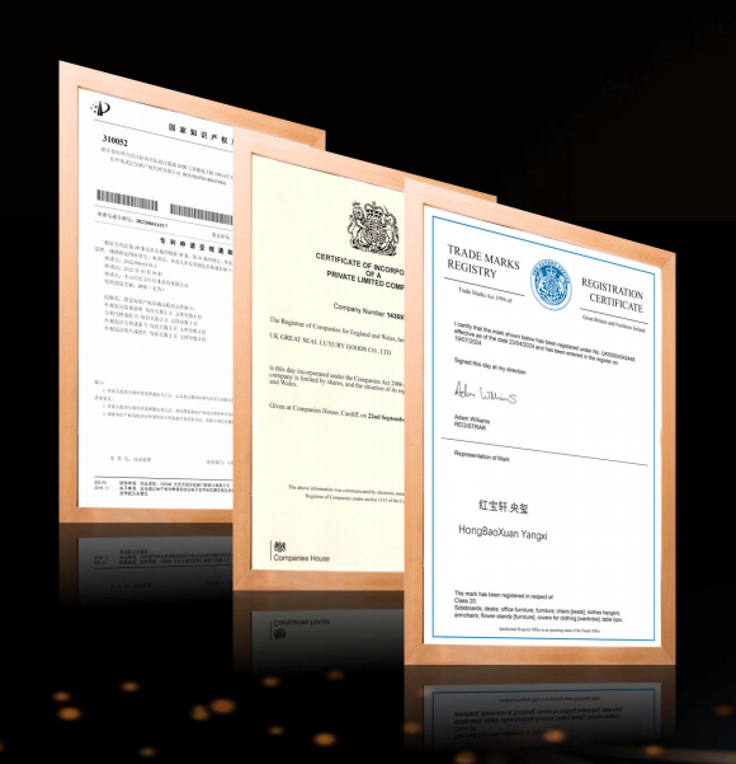
This capacity for iteration is built on a solid foundation of accumulation. According to publicly available information, Hongbaoxuan holds over 100 design, material, and process patents. Every product's motifs, forms, and even brass fittings are developed through bespoke molds and dedicated tooling. In 2025, the brand won a patent infringement lawsuit, securing judicial protection for its original designs. These facts together support a judgment: "national luxury home" is not merely a marketing positioning, but a system that withstands scrutiny from concept to product.
An Industry's Predicament, a Brand's Breakthrough
The significance of this story becomes clearer when viewed against the broader backdrop of China's furniture industry.
China is the world's largest furniture producer and exporter, yet at the high-end brand level, the presence of local brands has long been weak. This is especially true of the rosewood furniture industry, which — despite its precious materials and exquisite craftsmanship — has long been absent from branding and internationalization efforts. The industry has long relied on "material worship" to drive growth, with a large number of enterprises stuck at the level of antique replication. Participants with systematic original design capabilities and a clear brand consciousness are few and far between.
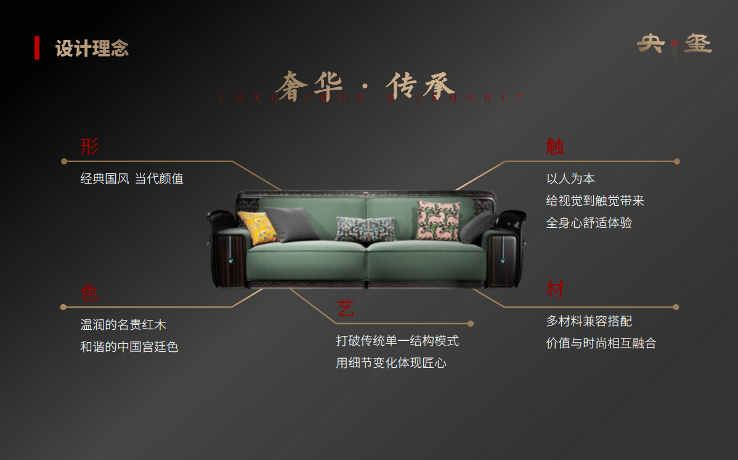
Hongbaoxuan · SYMBOL OF ROYALTY has pioneered a new path. It has not remained trapped in the entrenched perception that "rosewood equals Chinese classical"; rather, with intangible cultural heritage crafts at its core, original design as its driving force, and whole-home spatial solutions as its vehicle, it has expanded rosewood furniture from a singular product category into a complete expression of residential aesthetics.
From being collected by state guesthouses to attracting the attention of collectors from multiple countries, from recognition in the domestic high-end market to this appearance in Times Square, Hongbaoxuan · SYMBOL OF ROYALTY is gradually验证 a proposition: that China has the potential to grow high-end home brands capable of gaining international recognition. The core of this potential does not lie in imitation of Western styles, but is rooted in local cultural traditions, supported by manual craftsmanship, and aligned with global diverse aesthetic needs through original design.
One appearance on the Nasdaq screen is not enough to define a brand. True brand internationalization requires sustained product innovation, consistent quality delivery, and long-term cultural penetration.
But the step that Hongbaoxuan · SYMBOL OF ROYALTY has taken at least ensures that on the map of global high-end home furnishings, Chinese luxury furniture is beginning to appear. "Being seen" is often where change begins.